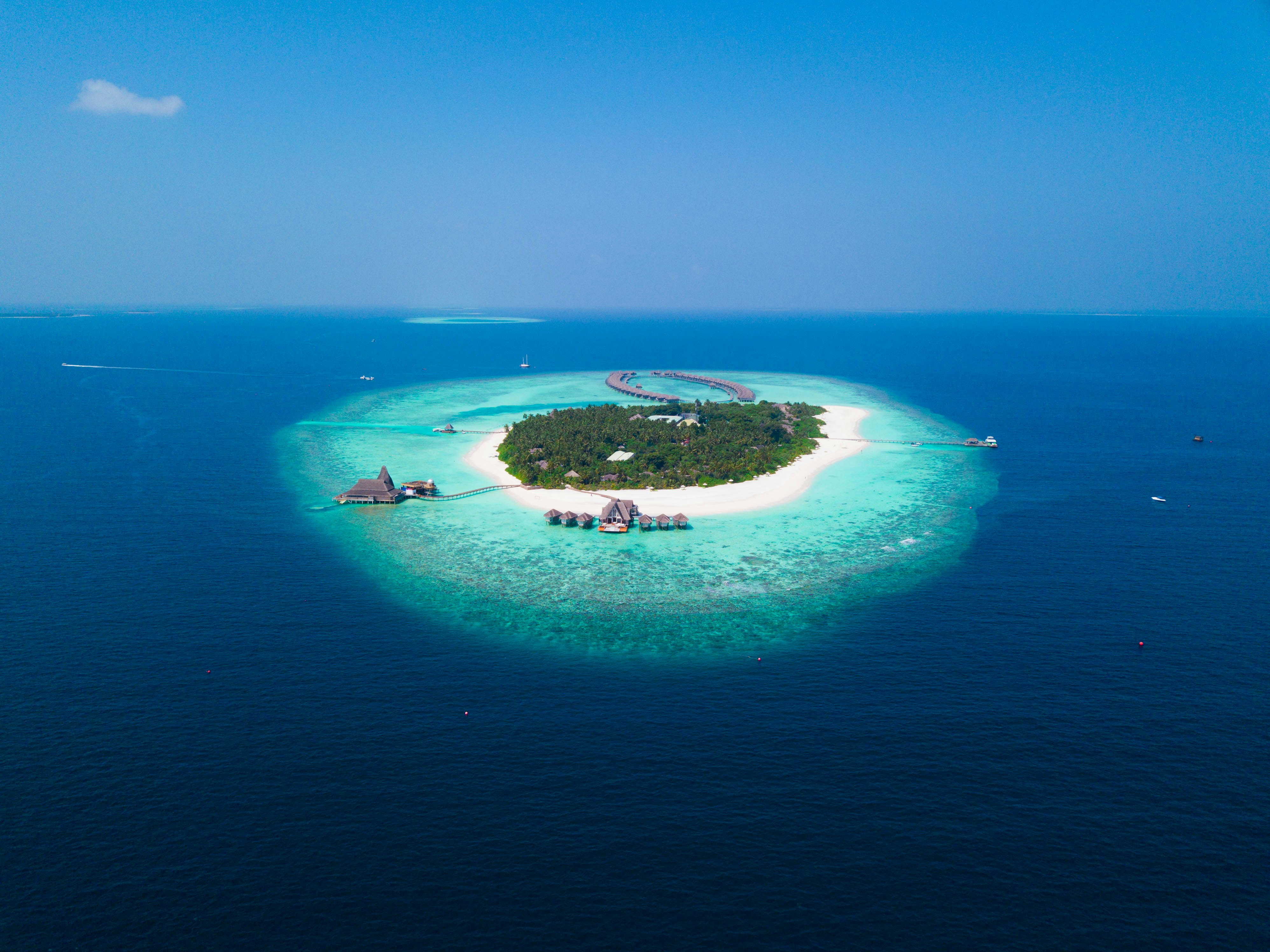
Famous for Luxury. Almost Invisible on Sustainability
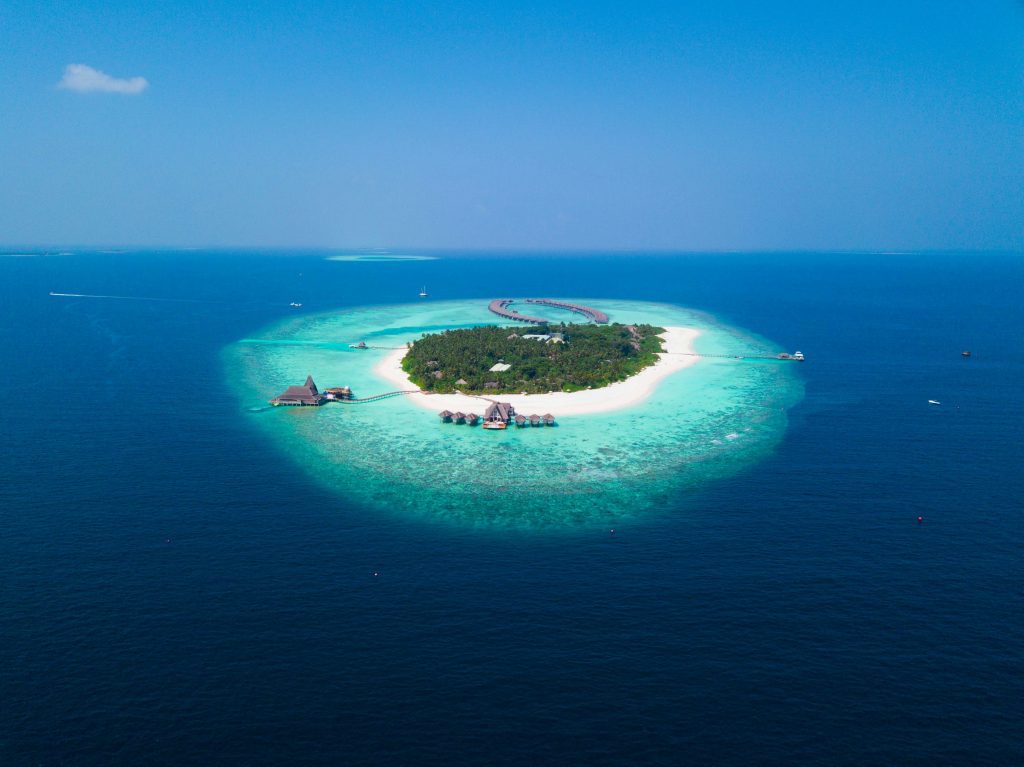
IN BRIEF: AI visibility for destinations is the frequency and context in which AI assistants name a place when travellers ask for recommendations. In We Are Warriors PR testing of 2,430 AI answers across five platforms, one established luxury island destination appeared in more than 93% of answers to romance and diving questions, yet in just 2.5% of answers to questions about ethical and environmentally responsible travel. That contrast raises a new challenge for destination reputation teams: the story travellers hear depends on the question they ask.
The next destination shortlist is being assembled before the click
Travellers once pieced together a holiday from search results, magazines, hotel websites and recommendations. Increasingly, the first shortlist arrives as an AI answer. MMGY Travel Intelligence reported in June 2026 that 52% of British travellers use AI tools to support travel planning, compared with 40% in 2025. The survey covered 4,035 active leisure travellers in five European markets. The 52% figure refers to the UK, and different studies use different definitions of AI use.
Skift Research, working with McKinsey, reported that 63% of 1,015 US travellers preferred a curated shortlist of ten options to either a 500-option catalogue or a single AI-generated itinerary. A shortlist is useful to the traveller, but unforgiving for the destinations excluded from it.
The strategic question for a tourism board is therefore no longer confined to how a destination ranks on a search page. It is whether the destination enters the answer when a potential visitor describes a particular holiday, set of values or experience.
Fame compounds, but it does not travel equally across every question
Skift Research found that the most frequently recommended destinations changed much less than the descriptions tailored to different traveller personas. Its top five destinations accounted for 38% of recommendations in the research it reported in October 2026. That concentration suggests AI can reproduce familiar travel hierarchies even while sounding highly personalised.
WAW observed a related concentration. The three most visible destinations accounted for 53.3% of tracked destination mentions. The anonymised study destination was named in 1,423 of 2,430 answers, or 58.6%, and averaged position 1.74 when named. One usable comparator appeared in only 2.6% of answers. These findings apply to the questions, platforms and period tested, not to all destination searches.
For established luxury destinations, fame can be a mixed blessing. It helps secure visibility for the experiences with which the place is already associated. It may also make it harder for other dimensions of the destination to surface. Less familiar places face a different challenge: the evidence AI uses may rarely place them on the initial list at all.
The reputation gap: romance versus responsibility
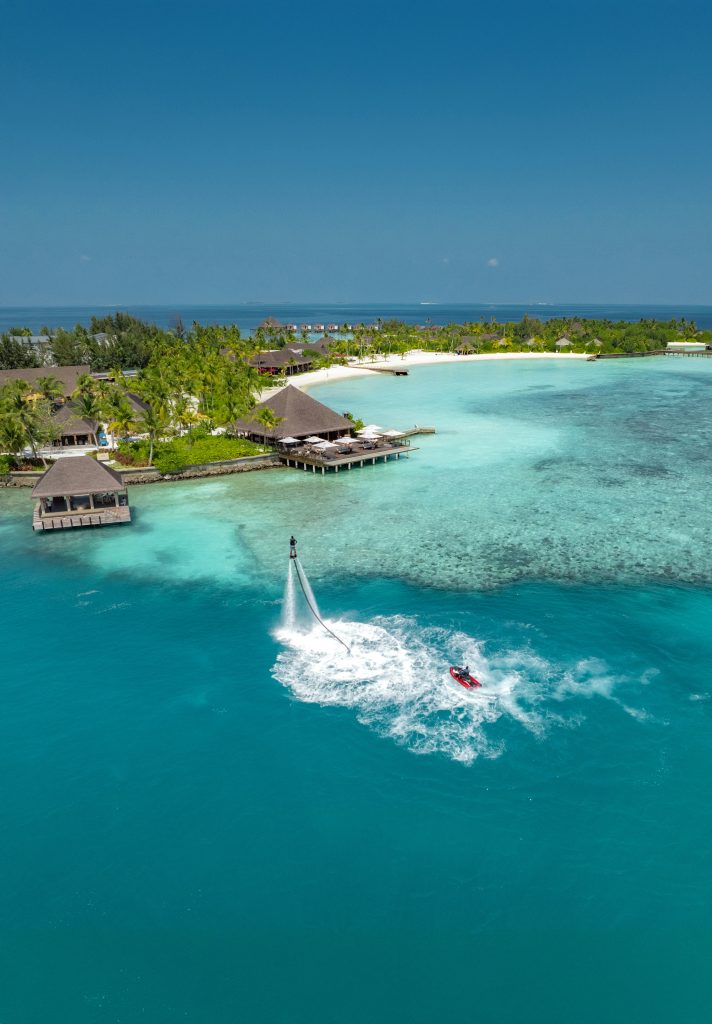
The most striking result in our study is the extent to which changing the question changed the answer. When the traveller asked about tropical islands for couples, the study destination appeared in 239 of 243 answers, or 98.4%. It appeared in 232 answers for honeymoons and weddings and another 232 for luxury diving, both 95.5%. For a milestone anniversary it appeared in 228 answers, or 93.8%.
But on environmentally responsible island destinations it appeared in just seven of 243 answers, 2.9%. On ethical tropical travel destinations it appeared in five, 2.1%. Together, those two questions generated only 12 mentions in 486 answers, or 2.5%.
This does not tell us that the destination lacks sustainability credentials. We did not assess its environmental performance. It tells us that, for these prompts, the AI systems did not regularly put it forward. A place can dominate one part of the travel conversation and be almost absent from another.
The contrast matters because travellers increasingly ask values-led questions. Booking.com’s 2026 Travel and Sustainability Report, based on 32,500 travellers across 35 markets, found that 43% planned to avoid overcrowded destinations, while 37% did not trust sustainable labels and 42% found sustainable options too difficult to identify. Destination communications teams need to understand which parts of their story are visible when travellers ask these questions, and what independent evidence supports the answer.
The sources behind the answer are rarely the official website
A destination may publish extensive guidance on its own website and still have limited influence over the sources surfaced in AI answers. Across WAW’s 2,430 responses, the anonymised destination’s official tourism website was cited nine times, or 0.37% of answers. That count may not capture every relevant subdomain. YouTube was cited in 482 answers, or 19.8%, approximately 54 times as often.
A single tropical-islands roundup was cited in 166 answers, approximately 18 times as often as the official site. Individual dive operators, hotel groups, publishers and video creators also appeared in the source sets. The destination’s reputation in the answer was therefore being shaped substantially by third parties.
This is a communications and reputation challenge. A tourism board can correct its own pages, but the story may still depend on what a travel editor, tour operator, hotel group or specialist organisation says about the destination. That creates an opportunity for disciplined earned media and evidence-led partnerships, rather than a promise that technical website changes alone will solve the problem.

Why the sustainability sources matter
In the values-led questions, AI cited institutional sources that did not mention the study destination. An ethical travel organisation’s annual ranking was cited in 108 answers across the study, while a global sustainable tourism standards body was cited in 41. Both named other destinations.
That pattern suggests a practical line of enquiry: when a destination is absent from a category-specific shortlist, examine which independent authorities the AI systems use for that category. Then establish whether the destination is missing because its credentials are undocumented, poorly communicated, not independently verified, not relevant to the source’s criteria, or for another reason. The current data cannot resolve that causal question.
For a tourism board, the response should begin with substantiation. Any claims about responsible tourism need credible programmes, evidence, independent validation where appropriate and precise language. Visibility without substance risks creating a different reputation problem.
The Halo Leak: when travel coverage helps competitors too
Twenty of the 25 most cited pages in WAW’s research were multi-destination roundups or listicles. The most cited roundup included seven tracked destinations, and several competing destinations appeared more often on that page than the study destination. Other frequently cited guides distributed attention in similar ways.
The Halo Leak describes how multi-brand roundups and comparison content, whether pitched directly by PR teams or assembled independently by journalists from separate single-brand coverage, build AI citation equity for the article and for named competitors as much as for the brand whose coverage originally appeared within it. A brand's own single-brand press hits carry less of this shared citation weight but also appear far less often in the source sets AI actually draws on.
This is not an argument against roundups. They are valuable discovery environments. It is an argument for assessing them more intelligently: which sources appear repeatedly, which competitors share the page, what factual proof the piece provides, and whether the destination is associated with the attributes the campaign intends to build.
Being favourably described is different from being recommended
A sentiment score can show that an AI system describes a destination positively when it is mentioned. It cannot show how frequently the destination is selected in response to a guest’s question. A place may be warmly characterised but rarely named for a particular experience. It may also appear frequently while being framed as an expensive or conventional option.
Communications reporting therefore needs separate measures for mention rate, recommendation position, source citation, factual accuracy, sentiment and, where measurable, downstream commercial outcomes. They should not be collapsed into a single AI visibility score. Our research measures naming and source patterns; it does not establish booking conversion or revenue impact.
The Heritage Trap: a hypothesis to test, not an assumption
Luxury destinations often invest heavily in a coherent visual identity, evocative language, heritage and hospitality storytelling. These assets can be powerful for human audiences. Our working hypothesis, which we call the Heritage Trap, is that established brand narratives do not automatically translate into the category-specific, verifiable evidence AI systems use to assemble answers.
The destination study demonstrates a category-specific visibility gap. It does not prove that heritage messaging caused that gap. Testing the hypothesis requires examining the underlying sources, the destination’s published proof points and how the answer changes over time. That distinction matters because an effective strategy starts with evidence rather than a predetermined diagnosis.
The industry has a measurement gap
A commissioned AI Readiness Report involving Mindtrip, Sabre, Sojern and MMGY found that only 26% of destination marketing organisations surveyed had a documented AI strategy, while 22% offered AI trip planning on their websites. Those figures describe the study sample and should be read in light of the vendors’ commercial interests.
Even organisations with sophisticated analytics may not know whether they appear when a traveller asks an AI assistant for an ethical island destination, a honeymoon location or a less crowded luxury escape. Traditional search, website visits, coverage and sentiment reports each answer different questions.
AI referrals are growing, but should not be exaggerated as a traffic channel. Bain and Similarweb reported in September 2026 that AI referrals to tracked hotel and short-term rental sites had quadrupled over a year yet remained below 1% of visits. This is hotel-site evidence, not a measurement of destination websites. It is a reminder that influence inside the answer and measurable website traffic are not interchangeable.

What tourism boards and destination brands should do now
First, benchmark the actual questions travellers ask across relevant origin markets and AI platforms. Use the same prompts and consistent methodology to track changes, and separate romance, luxury, adventure, affordability and values-led intents.
Second, map the evidence behind each answer. Identify the publishers, specialist bodies, creators, travel operators and hospitality groups repeatedly cited. Audit factual accuracy and note where category-relevant credentials are absent or outdated.
Third, build a substantiated story. Translate real programmes, visitor experiences and independently validated credentials into precise, accessible evidence that others can confidently reference. Do not manufacture claims to fit an AI answer.
Fourth, amplify through the sources that matter. Earn coverage that connects the destination to the intended attributes, while understanding the shared value and limitations of multi-destination roundups.
Finally, measure repeatedly. A single snapshot is a diagnostic starting point, not a guarantee that the next model run will reproduce the same answer. Track naming, position, source mix and accuracy as distinct signals.
How We Are Warriors PR helps
We Are Warriors PR combines senior communications and reputation experience in travel and luxury hospitality with AI Reputation Intelligence to help destinations understand how they are represented to human and AI audiences. Our four-stage approach is Benchmark, Build, Amplify and Measure.
An AI Discoverability Review or AI Visibility Snapshot can identify immediate patterns and priority questions. A fuller AI Reputation Intelligence Report benchmarks a destination against relevant comparators, analyses the sources shaping its narrative and sets out an actionable communications strategy. An ongoing AI Reputation Growth Programme supports implementation and monitoring.
No consultancy can guarantee that an AI assistant will recommend a destination. What we can provide is an evidence-led account of where the destination appears, where it is missing, which sources influence the answer and which communications interventions merit testing.
If you lead a tourism board, destination organisation or luxury travel brand, speak to We Are Warriors PR about a confidential AI Reputation Intelligence scoping conversation.
Article FAQs
What is AI visibility for a destination?
How often and in what context AI assistants name a destination when travellers ask for recommendations.
Does low sustainability visibility mean a destination is unsustainable?
No. The study measures appearance in AI answers, not environmental performance or the quality of destination programmes.
Is AI recommendation share the same as bookings?
No. Recommendation share is an answer-level metric. It does not establish visits, conversion or revenue.
Why do third-party sources matter?
AI answers may draw on publishers, operators, review platforms, video creators and institutional sources rather than a destination’s official website.
Can a tourism board improve its AI visibility?
It can benchmark, improve factual evidence, strengthen third-party coverage and monitor results, but no specific recommendation outcome can be guaranteed.
Sources and internal links
- WAW original destination study, UK, August–October 2026; 2,430 answers.
- MMGY Travel Intelligence, 2026 Portrait of European Travellers, 11 June 2026.
- Booking.com, Travel and Sustainability Report 2026, April 2026.
- Skift Research, AI Travel Advice Is Less Personal Than It Seems, 16 October 2026.
- Adobe Digital Insights, AI-referred travel traffic update, 19 August 2026.
- Bain & Company, Travel Operators Can’t Just Watch as AI Reroutes the Customer Journey, 30 September 2026.
- Similarweb, 2026 Generative AI Landscape, reported by Search Engine Journal, 27 July 2026.
- AI Readiness Report, Mindtrip/Sabre/Sojern/MMGY, reported August–September 2026 (commissioned).
Photo credits: Chelsea Gates, Valeriia Bugaiova, Shing, Christian Lambert, Adam Juman, Ahmed Yaaniu, Nabit Photos, Levi Arnold, carla, Dustin Bowdige, Irvin Liang and Zunnoon Ahmed. All imagery sourced via Unsplash.